

French Drain Dry Well Patio System
French Drain Dry Well Patio System
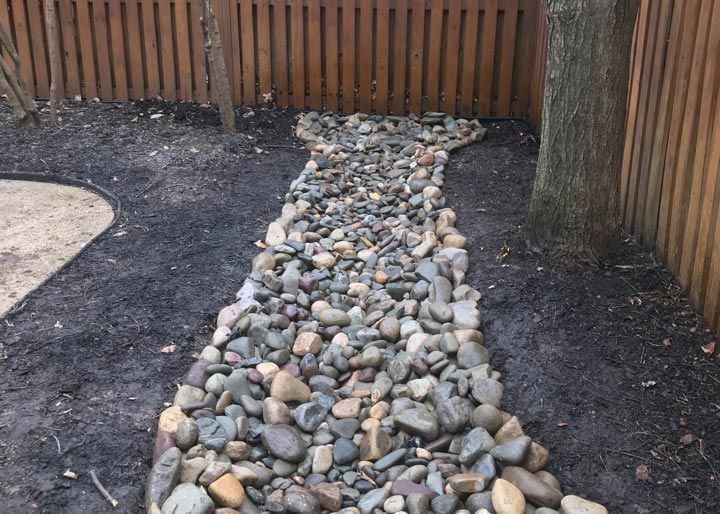
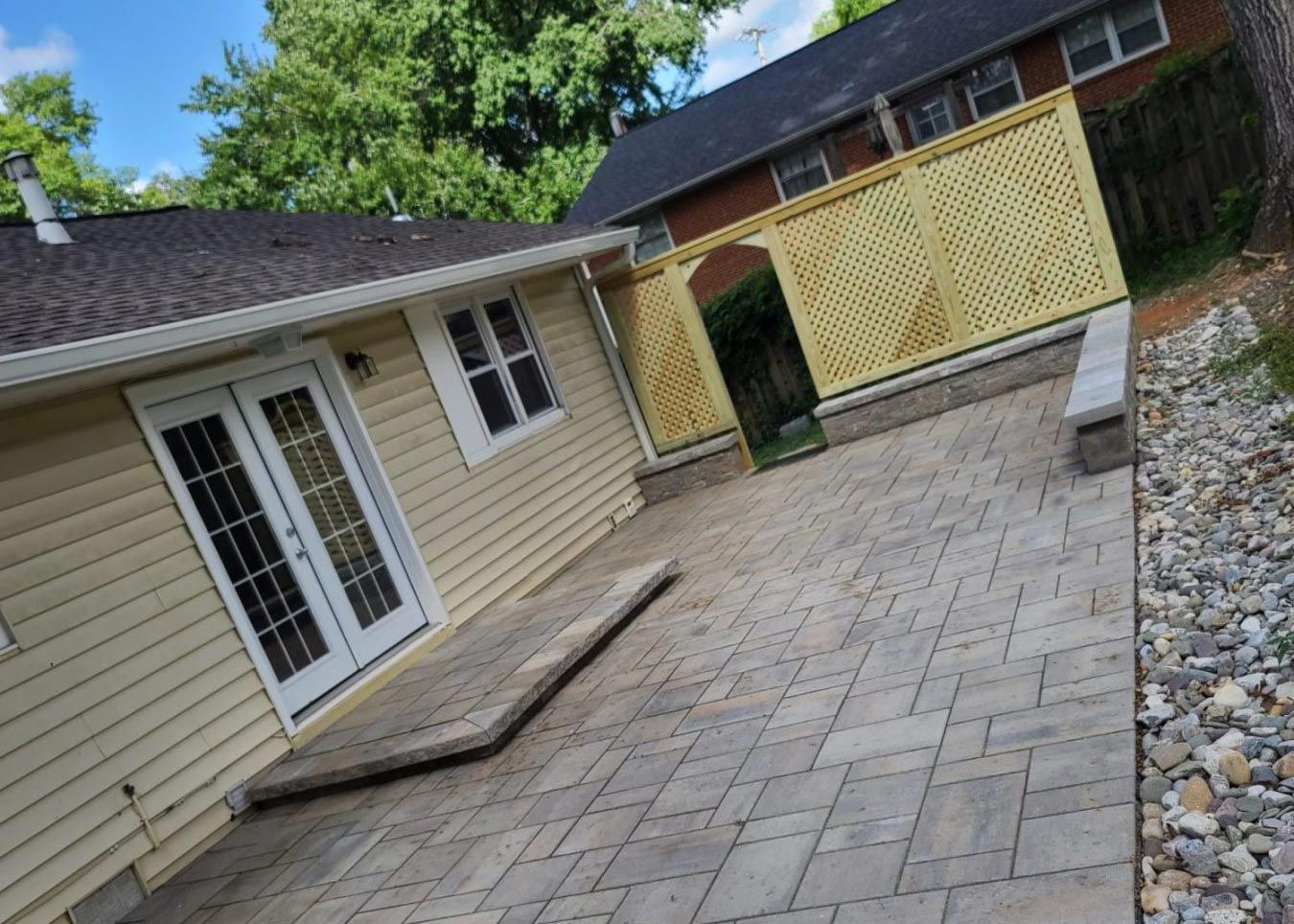
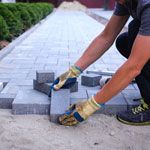
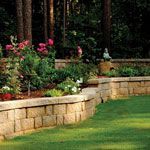
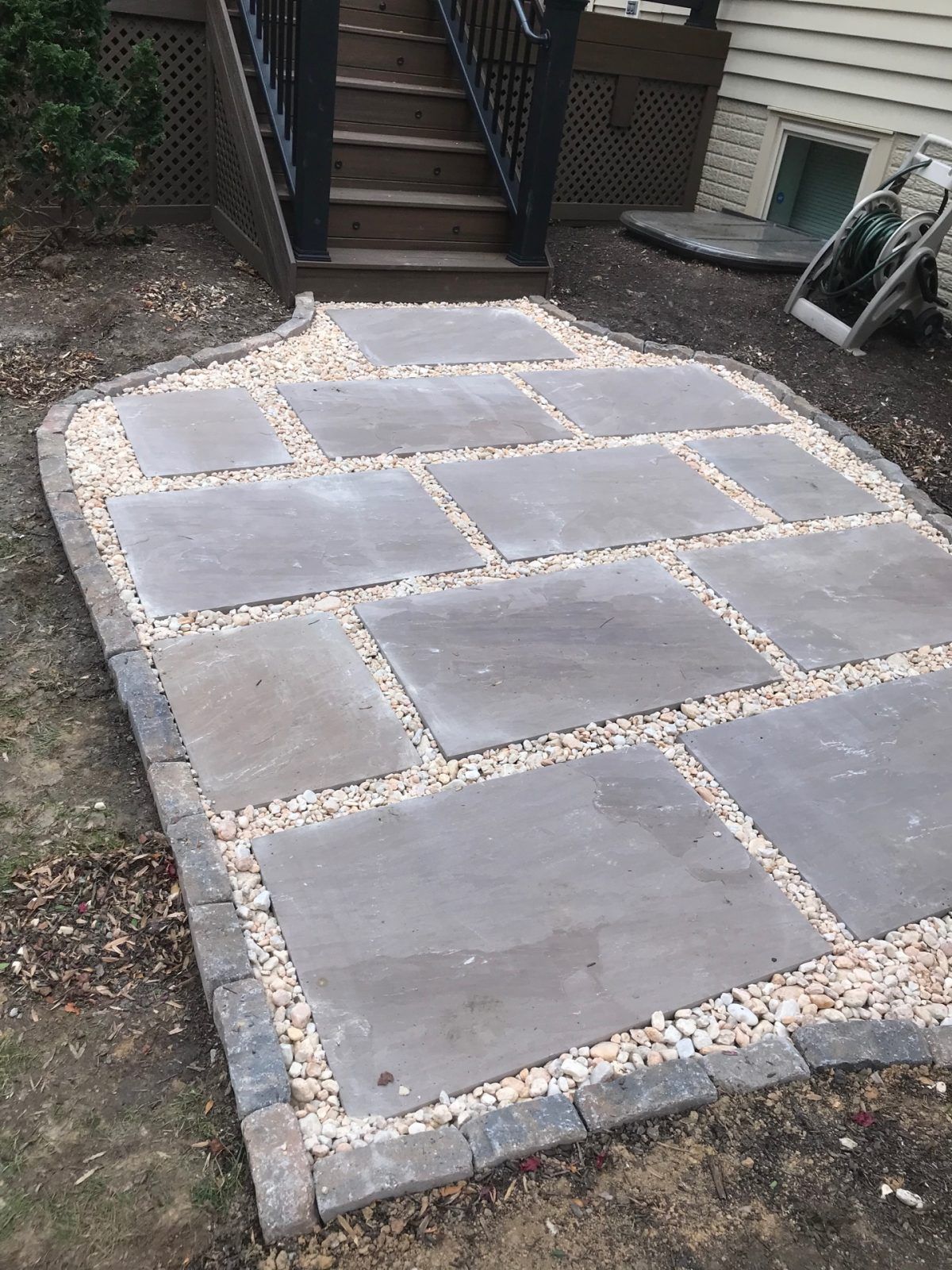
This is a ProDrainsm (PDS) French Drain Dry Well Patio system. Installed to resolve the water issue and drain water through pipes to exit off of the property. Flagstone and Riverjack stone over our PDS system.
French drain and dry well systems are commonly used to keep excess water away from patios, foundations, and other structures. By channeling surface water and groundwater away from problem areas, these systems help protect buildings from moisture-related damage. A typical setup combines a perforated pipe placed in a gravel trench with an underground gravel chamber or perforated container that collects and slowly disperses water into the soil. This type of drainage solution works well in both clay and sandy soil conditions and is especially useful for controlling yard runoff and minimizing basement moisture.
Main Components and Installation
French Drain:
A French drain consists of a trench filled with gravel that contains a perforated pipe. Its purpose is to capture water from the surrounding soil and move it away from areas such as patios, lawns, or foundations.
Dry Well:
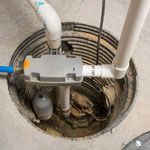
A dry well is an underground container with perforations, such as a 55-gallon drum or a manufactured drainage kit. It sits inside a large gravel-filled pit and temporarily holds collected water before allowing it to gradually soak into the surrounding soil.
Basic Installation Process:
Installation typically involves digging a trench with a gentle downward slope, lining it with landscape fabric, adding a base layer of gravel, placing the perforated pipe, and connecting the pipe to the dry well. The system is then covered with additional gravel and soil.
Recommended Practices:
For proper performance, the drain should slope downward at about 1% (roughly one inch per 100 feet). In colder regions, installing the system below the frost line helps prevent freezing and ensures year-round operation.
Advantages
Protects Foundations:
By diverting water away from patios and landscaped areas, the system reduces the risk of water reaching and damaging the building foundation.
Reduces Standing Water:
These drainage setups are especially effective in yards with dense clay soil or in locations that experience frequent or heavy rainfall.
Energy-Free Operation:
Because the system relies on gravity and soil absorption, it does not require electricity or mechanical components.
Things to Keep in Mind
Cost:
Dry well kits can add to the overall expense, with some systems costing $500 or more depending on the size and materials used.
Maintenance Needs:
Over time, the perforated pipe may collect sediment or debris, so occasional inspection and cleaning can help keep the system functioning properly.
Other Drainage Options:
If installing a dry well is not practical, water can sometimes be redirected using landscape grading features such as swales or surface trench drains that carry runoff toward the street or another drainage point.